
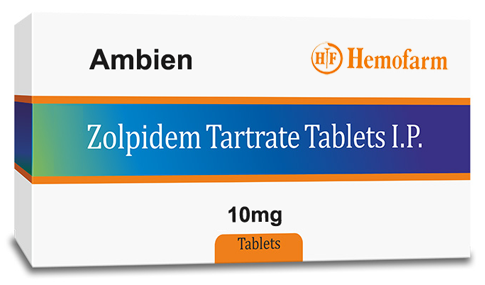
Ambien Zolpidem 10mg
Price range: $299.00 through $690.00
Buy Ambien At Ketpharm.com
Ambien is a widely used sleep medication for insomnia. According to trusted medical sources such as MedlinePlus and Drugs.com, zolpidem helps slow brain activity, making it easier to fall asleep and improve sleep quality when used under proper medical supervision..
buy Ambien Zolpidem 10mg
zolpidem 10 mg buy online
zolpidem buy online europe
zolpidem 10 mg price walmart
buy zolpidem 10 mg
Ambien (Zolpidem) – Complete Educational Guide on Uses, Effects, and Safety
What is Ambien (Zolpidem)?
Ambien is a widely used sleep medication for insomnia. According to trusted medical sources such as MedlinePlus and Drugs.com, zolpidem helps slow brain activity, making it easier to fall asleep and improve sleep quality when used under proper medical supervision..
Ambien belongs to a class of medications known as sedative-hypnotics. These drugs are designed to slow down brain activity and promote sleep. Unlike some older sleep medications, zolpidem is typically prescribed for short-term use due to its potency and potential for dependence.
How it Works in the Brain
Ambien works by interacting with the central nervous system, specifically targeting neurotransmitters that regulate sleep and wake cycles.
The primary mechanism involves enhancing the activity of GABA (gamma-aminobutyric acid). GABA is a natural chemical in the brain that reduces nerve activity and produces a calming effect.
When Ambien increases GABA activity:
- Brain activity slows down
- Nervous system becomes calmer
- Sleep onset becomes easier
- Night-time awakenings may decrease
This mechanism helps individuals transition into sleep more quickly compared to natural sleep alone.
Medical Uses of Ambien
Ambien is primarily prescribed for:
1. Short-Term Insomnia Treatment
It helps people who struggle to fall asleep due to stress, anxiety, or disrupted sleep patterns.
2. Sleep-Onset Insomnia
This refers to difficulty falling asleep at the beginning of the night. Ambien is particularly effective in reducing sleep latency (the time it takes to fall asleep).
3. Temporary Sleep Disturbances
It may be used during short-term situations such as travel-related jet lag or temporary emotional stress.
Types of Sleep Problems It Helps With
Insomnia can be classified into different types, and Ambien is mainly used for:
- Difficulty initiating sleep
- Frequent nighttime waking (in some cases)
- Poor sleep quality
- Stress-related sleep disruption
However, it is not intended for chronic, long-term insomnia management unless supervised carefully by a healthcare provider.
How Long Does Ambien Take to Work?
Ambien is known for its fast onset of action. Most people begin to feel its effects within 15 to 30 minutes after taking it.
For this reason, it is recommended that it be taken right before bedtime when the person is ready to sleep. It should not be taken with food, as this may slow absorption.
Benefits of Ambien (Zolpidem)
When used correctly under medical supervision, Ambien may offer several benefits:
- Helps reduce time needed to fall asleep
- Improves overall sleep duration
- Supports more consistent sleep cycles
- Provides short-term relief from insomnia symptoms
- May improve next-day functioning due to better rest
These effects can help individuals restore temporary sleep balance during periods of disruption.
Possible Side Effects
Like all prescription medications, Ambien may cause side effects. These can vary depending on the individual and dosage.
Common side effects include:
- Drowsiness
- Dizziness
- Headache
- Light-headedness
- Daytime sleepiness
Less common but more serious effects may include:
- Sleepwalking or unusual sleep behaviors
- Memory problems
- Confusion
- Allergic reactions
Because of these risks, medical supervision is important.
Safety Warnings and Precautions
Ambien is a controlled medication and should only be used as prescribed.
Important safety considerations include:
Avoid Alcohol
Alcohol can increase sedation and dangerously slow brain and breathing functions.
Risk of Dependence
Long-term use may lead to physical or psychological dependence.
Not for Daily Long-Term Use
is intended for short-term treatment of insomnia, not ongoing daily use.
Morning Drowsiness
Some individuals may feel groggy or less alert the next day.
Complex Sleep Behaviors
In rare cases, people may perform activities such as walking or eating while not fully awake.
Who Should Use Carefully?
Extra caution is needed for individuals with:
- Liver problems
- History of substance use disorder
- Respiratory conditions
- Depression or mental health disorders
- Elderly patients (higher sensitivity)
A healthcare provider evaluates risks before prescribing.
Dosage and Administration
Ambien should always be taken exactly as prescribed by a qualified healthcare professional.
General guidance includes:
- Take immediately before bedtime
- Ensure 7–8 hours available for sleep
- Do not take additional doses during the night
- Do not exceed prescribed amount
Dosage is individualized based on patient needs and response.
Alternatives to Ambien
Depending on the case, healthcare providers may also recommend:
- Sleep hygiene improvements (non-drug approach)
- Cognitive behavioral therapy for insomnia (CBT-I)
- Other sleep-support medications (under supervision)
- Lifestyle adjustments such as reducing caffeine and screen exposure
Conclusion
(zolpidem) is a widely used prescription medication for short-term insomnia treatment. It works by calming brain activity through the GABA system, helping individuals fall asleep faster and improve sleep quality.
While effective, it must be used carefully due to risks of side effects, dependence, and complex sleep behaviors. Proper medical supervision is essential to ensure safe and appropriate use.
For long-term sleep health, Ambien is often most effective when combined with behavioral and lifestyle improvements rather than used as a standalone solution.
Ambien is often used as part of a broader treatment plan depending on patient needs. For anxiety-related sleep issues, medications such as Alprazolam 1mg and Lorazepam 2mg may be considered under medical supervision. When pain interferes with sleep, treatments like Hydrocodone 10mg or Oxycodone 80mg may also be used in clinical settings. In specialized cases, alternative therapies such as Ketamine are explored for complex conditions.
| Quantity | 30 Pills, 90 Pills, 180 Pills |
|---|
13 reviews for Ambien Zolpidem 10mg


Related products
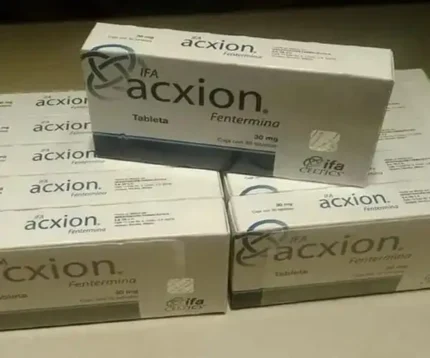
Acxion 30 mg Phentermine: Proven Powerful Appetite Control
buy Acxion 30 mg Phentermine"
acxion fentermina 30 mg"
acxion pills"
acxion pills price"
acxion pills side effects"
phentermine 30 mg tablet"
phentermine 30 mg capsule"
acxion vs phentermine"
acxion ap vs acxion"
For a complete overview of Phentermine dosage guidelines, potential drug
interactions, and safety precautions, you can refer to the full prescribing
information available on Drugs.com or consult the Mayo Clinic's detailed
https://ketpharm.com/product/hydrocodone-10mg-benefits/ medication guide. 
Adderall 30mg IR –Proven Powerful Adderall (Minimum 50 Pills) NO IMPURITIES – NO FENTANYL
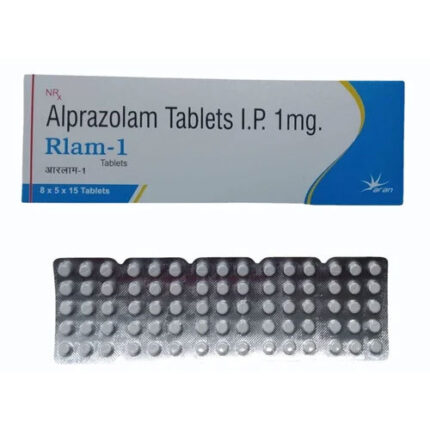
Alprazolam Rlam Tablets 1mg – Powerful Fast Relief for Anxiety

Michael belll –
Thanks Ketpharm for my order shipping was fast
Mayra –
I’m really enjoying the theme/design of your blog.
Do you ever run into any internet browser compatibility issues?
A couple of my blog visitors have complained about my site not working
correctly in Explorer but looks great in Safari. Do you have any recommendations to
help fix this problem?
Review my homepage: web site
Jackson –
Hi, I do think this is an excellent blog. I stumbledupon it 😉 I am going
to come back once again since I bookmarked it. Money and freedom is the best
way to change, may you be rich and continue to guide other people.
Feel free to surf to my web page … Best online casino
Lauren –
Normally I don’t learn post on blogs, but I would
like to say that this write-up very compelled me to
take a look at and do it! Your writing style has been surprised
me. Thank you, quite nice post.
my web page; harga jamur tiran
Adelaide –
I’ve been exploring for a little for any high quality articles
or weblog posts in this kind of area . Exploring in Yahoo I ultimately stumbled
upon this site. Reading this info So i am satisfied
to exhibit that I have an incredibly good uncanny feeling I found out exactly what I needed.
I so much unquestionably will make sure sleep hypnosis to stop drinking that works don?t put out of your mind this web site and provides it a glance regularly.
Rudy –
When I initially left a comment I seem to have clicked the -Notify me when new comments are added- checkbox and now every time a comment is added I receive four emails with the same comment.
Is there a way you can remove me from that service?
Many thanks!
Here is my site … 15 on page SEO services
Modesta –
Thanks on your marvelous posting! I certainly enjoyed reading it, you’re a great author.
I will be sure to bookmark your blog and
will come back later on. I want to encourage one to continue your great posts, have a nice morning!
Feel free to surf to my blog post wedding dress shopping tips
Bob –
My coder is trying to convince me to move to .net
from PHP. I have always disliked the idea because of the costs.
But he’s tryiong none the less. I’ve been using WordPress on various websites for about
a year and am nervous about switching to another platform.
I have heard very good things about blogengine.net. Is there
a way I can transfer all my wordpress content into it?
Any help would be really appreciated!
Feel free to surf to my website – ki
Edgar –
Hello there! This is my first comment here so I just wanted
to give a quick shout out and say I truly enjoy reading through your blog posts.
Can you recommend any other blogs/websites/forums that cover
the same subjects? Thanks a lot!
Also visit my web-site romantic fantasy
Georgia –
WOW just what I was looking for. Came here by searching for
paranormal fantasy
Look into my webpage :: moonkeeper romance
Jestine –
Wow that was unusual. I just wrote an incredibly long comment but after I clicked submit my
comment didn’t appear. Grrrr… well I’m not writing all that over again. Anyhow,
just wanted to say wonderful blog!
Also visit my site … fated mates
Cesar –
Howdy, i read your blog from time to time and i own a similar one and i was just
curious if you get a lot of spam feedback? If so how do you stop
it, any plugin or anything you can recommend? I get so much
lately it’s driving me crazy so any help is very much appreciated.
Also visit my page; epic paranormal fantasy
Jewell –
It’s really a cool and helpful piece of info. I am glad that you just shared this useful information with us.
Please stay us informed like this. Thank you for sharing.
my web-site – porno terbaru